Sexual Wellness Research
Study the Biology of Desire and Arousal with Reliable Peptides.
Sexual health is one of the most searched topics worldwide. But it is also the least studied one at the molecular level. Most compounds researchers use focus on blood flow. They don’t even address the part that starts it all: the brain.
To investigate this gap, researchers may explore peptides for sex drive as part of studies examining the molecular pathways involved in sexual behavior and arousal. This area of research has gained momentum over the last few years.
Need the best sexual wellness peptides for your lab? Get them now!
Research-Driven Sexual Wellness Peptides
Researchers looking into peptides related to sexual health are diving into the reasons why traditional methods sometimes fall short in answering all the important questions.
For example, a compound that influences vascular function might not help you understand the deeper mechanisms behind desire or motivation.
Other investigations might zoom in on reproductive hormones, hypothalamic signaling, or how neuropeptides interact with sexual behavior.
This area of study can really bolster research into:
- Central pathways that play a crucial role in sexual desire and arousal.
- Exploring the activity of melanocortin receptors and how they interact with hypothalamic signaling.
- Gonadotropin-releasing hormone is key in regulating the reproductive axis, and it’s fascinating to see how it all works together.
- Oxytocinergic signaling is essential for social behavior and bonding, and there are some interesting models that illustrate this connection.
- It’s important to understand the erectile-response pathways, especially those that differ from the traditional PDE5-related mechanisms, as well as how fertility, libido, and neuroendocrine feedback systems are intertwined.
Neuropeptides play a key role in shaping our sexual motivation and how we physically express that behavior. They work their magic in areas like the hypothalamus and other related parts of the central nervous system.
Addressing Complex Research Questions
One of the key challenges in sexual wellness research is the difficulty of isolating desire, arousal, erection, orgasm, and fertility into distinct, measurable outcomes.
When these factors are treated as the same, it can create ambiguity in the data and complicate identifying a compound’s potential mechanisms.
As a result, researchers working with sexual health research peptides may choose to structure their studies around specific endpoints, such as:
- Receptor binding and the signaling that happens inside cells afterward.
- Shifts in how we understand behavioral motivation or arousal models.
- Patterns of hormonal pulses and the activity of the HPG axis.
- Nitric oxide’s role in pathways that affect vascular responses.
- Interactions between neurotransmitters that are tied to sexual motivation.
- Differences between sexes in both endocrine and behavioral responses.
Take PT-141, for example; it’s been researched as a centrally acting melanocortin-receptor agonist. What sets it apart from PDE5 inhibitors is that it doesn’t primarily depend on peripheral vasodilation or nitric oxide signaling. This difference highlights the importance of pathway-specific studies in preclinical sexual medicine and neuroendocrine research.
Why Choose Vantrex Bio?
To achieve high-quality research, you need more than just a product label. Clear specifications, consistent handling, proper documentation, and a supplier that prioritizes reproducibility are essential.
Vantrex Bio is dedicated to helping researchers find the right materials for their sexual wellness, reproductive, and neuroendocrine research goals.
Before selecting a compound for your lab protocol, be sure to review the available documentation and intended research-use information for each product.
Explore the Sexual Wellness Research collection to take a more focused approach to studying desire, arousal, reproductive signaling, and sexual behavior.
For research use only. Not for human or veterinary use.
Showing the single result
-
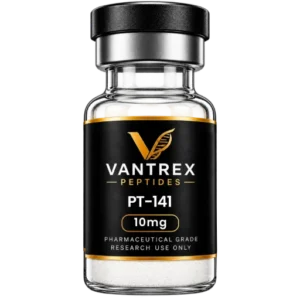
PT-141
$ 55.00 Select options This product has multiple variants. The options may be chosen on the product page