Growth Hormone & Performance Peptides
Study the Biology of muscle performance without any hindrance
Muscle development depends on many overlapping systems. Things that can affect how the musculoskeletal system adapts may include growth hormone and IGF-1 signaling. Besides, myostatin regulation, protein synthesis, satellite-cell activity, metabolism, recovery, and inflammation can also affect muscle performance and growth.
Vantrex Bio’s Growth Hormone & Performance peptides category allows controlled laboratory research into these pathways. Products are for research use only and are not intended for human or veterinary use or administration. Products are not intended to diagnose, treat, cure, or prevent any disease or condition.
Why This Category Trips Up So Many Researchers
Ask anyone studying the GH axis what slows them down and the answers repeat:
- The relay is simple to oversimplify: Compounds that stimulate GH release, prolong its half-life, or act on downstream growth factors are often lumped together, when in fact they work at totally different points in the pathway.
- The quality of sourcing varies wildly: One of the most counterfeited categories in the peptide space, underdosed vials sold under names that sound legit.
- Short-acting compounds are particularly sensitive: Many GH secretagogues are unstable if not handled and stored correctly, and even then, results can be subtly skewed without anyone noticing.
If you’ve ever seen your data appear inconsistent for no reason, the first place to look is your sourcing.
Research Applications
This category may be relevant to laboratories studying muscle-building peptides in cellular, biochemical, or preclinical models. Researchers can evaluate, depending on the compound:
- Structure-activity relationships and peptide receptor binding.
- Intracellular signalling after activation of GH or IGF-1 pathways.
- Myoblast proliferation, differentiation and fusion.
- Diameter of myotubes and contractile protein expression.
- Inhibition of myostatin and activin receptor signalling.
- Muscle wasting models and age-related sarcopenia.
- Tissue-remodeling and inflammatory markers associated with recovery.
- Metabolic effects related to exercise or nutrient stress.
IGF-1 and myostatin have been examined as opposite regulators of skeletal-muscle size, with IGF-1 promoting hypertrophic signalling and myostatin being a negative regulator. Experiments suggest that the two pathways can influence muscle-fibre size and number through partly distinct mechanisms involving Akt and ribosomal protein S6 signalling.
Explore Performance Research Peptides
For researchers looking to identify the most effective peptides for muscle growth, it’s crucial to evaluate the evidence by compound, model, endpoint, and study design. A peptide that influences GH secretion in a lab test doesn’t necessarily guarantee increased muscle mass or improved athletic performance.
Here are some potential research compounds to explore:
- Other growth hormone-releasing agents like Ipamorelin.
- Sermorelin and growth-hormone-releasing hormone analogues.
- GHRP compounds for receptor and signalling studies.
- IGF-1 variants for controlled research on anabolic pathways.
- Myostatin and myostatin-related substances.
- Peptides studied in muscle-repair or metabolic models.
However, the evidence is still somewhat inconsistent, especially among healthy, trained adults. No peptide must be marketed as a guaranteed way.
Why Vantrex Bio Is Built for This Category
In fields like this, precision is everything. Potency can fade away during shipping or storage, sometimes even before the testing kicks off.
That’s why we make sure every product we provide is independently lab-verified, so researchers can rely on real performance research peptides, not just a catchy name on a bottle.
If your research needs the best peptides for muscle growth or a thorough GH-axis comparison, check out our full range of bodybuilding peptides listed below.
Showing all 10 results
-
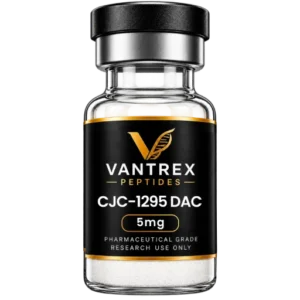
CJC-1295 DAC
Price range: $ 70.00 through $ 135.00 Select options This product has multiple variants. The options may be chosen on the product page -
CJC-1295 No DAC
Price range: $ 50.00 through $ 135.00 Select options This product has multiple variants. The options may be chosen on the product page -
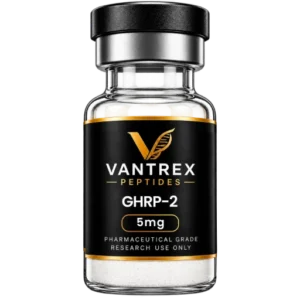
GHRP-2
$ 35.00 Select options This product has multiple variants. The options may be chosen on the product page -
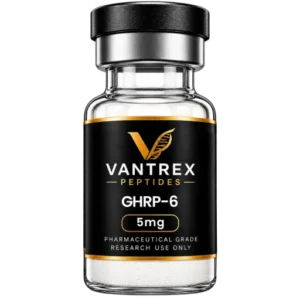
GHRP-6
$ 35.00 Select options This product has multiple variants. The options may be chosen on the product page -
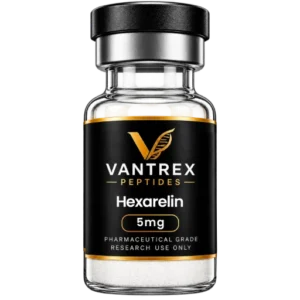
Hexarelin
$ 50.00 Select options This product has multiple variants. The options may be chosen on the product page -
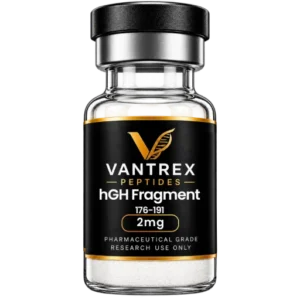
hGH Fragment 176-191
$ 95.00 Select options This product has multiple variants. The options may be chosen on the product page -
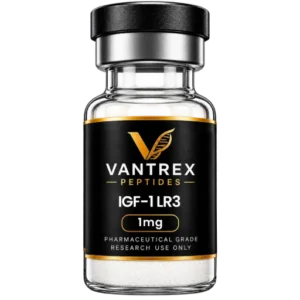
IGF-1 LR3
$ 95.00 Select options This product has multiple variants. The options may be chosen on the product page -
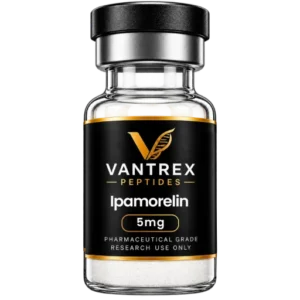
Ipamorelin
Price range: $ 50.00 through $ 135.00 Select options This product has multiple variants. The options may be chosen on the product page -
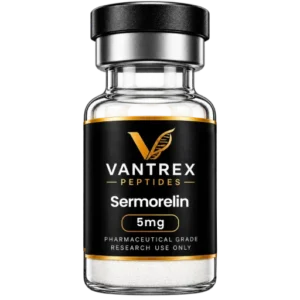
Sermorelin
$ 50.00 Select options This product has multiple variants. The options may be chosen on the product page -
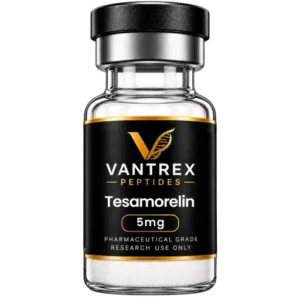
Tesamorelin
Price range: $ 89.99 through $ 149.99 Select options This product has multiple variants. The options may be chosen on the product page